



Information on the Production Process of Baby Diapers
Diapers are indispensable for newborn babies and make parents’ daily lives easier. However, not many of us know much about how this product is produced. In this article, we will take a step-by-step look at the production process of baby diapers.
Diapers have evolved significantly over time. From a time when cloth diapers were widely used to a point where disposable diapers have become popular due to modern technology.
This evolution is of great importance both in terms of ease of use and comfort for babies. When cloth diapers were used, parents had to wash and reuse cloth diapers for cleaning their babies. This was both time-consuming and impractical. However, with the advancement of technology, diapers have also had their share of this change
Disposable diapers, which are widely used today, provide a great convenience for parents. In addition to offering a practical use, these diapers are also effective in keeping babies’ skin dry and comfortable.
Thanks to absorbent materials and special designs, disposable diapers prevent leakage and keep babies dry for longer. Not only has this evolution allowed parents to be more efficient and time-saving in baby care, it has also led to the development of environmentally friendly alternatives. Today, biodegradable diapers that are less harmful to the environment are also preferred.
The history of baby diapers encapsulates profound changes that have unfolded over the years. Crafted in response to the evolving needs of both parents and infants, contemporary baby diapers go beyond mere functionality – they offer convenience to parents and elevate the comfort of babies to new heights.
In the intricate production process of diapers, pivotal components stand as the guardians of overall quality. These indispensable elements encompass absorbent materials, a waterproof outer layer, and elastic materials. The functionality of diapers hinges significantly on absorbent materials, as the well-being and dryness of the baby pivot on their effectiveness.
The inclusion of a waterproof outer layer serves as a fortress, enhancing the safety of diaper use by thwarting potential leaks. Simultaneously, elastic materials act as the adaptive wizards, enabling the diaper to harmonize with the body’s contours, fostering freedom of movement and unparalleled comfort. Consequently, these fundamental components don’t just enhance product quality but also guarantee the contentment of both parents and babies.
The meticulous selection and seamless integration of these essential ingredients serve as the bedrock for the day-long effectiveness of diapers. The artful combination of absorbent materials ensures the efficient absorption of liquids, maintaining the baby’s skin dry and elevating their comfort. This, in turn, simplifies the daily lives of parents.
The formidable waterproof outer layer stands as a bulwark against leaks, guaranteeing hygiene and safety in diaper use. During the night, the prowess of this layer comes to the forefront, contributing to a serene and comfortable sleep for the baby. Simultaneously, the judicious use of elastic materials in the right proportion facilitates a bespoke adaptation of the diaper to the baby’s body, minimizing the risk of leakage. This dynamic blend ensures that the diaper not only meets but exceeds expectations.
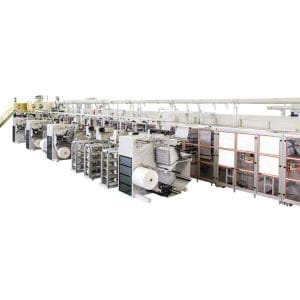
In conclusion, the narrative of innovation and responsiveness characterises the evolution of baby diapers. The strategic fusion of absorbent materials, a waterproof outer layer, and elastic materials reflects a steadfast commitment to excellence. It signifies the promise of more than just a product but a solution that deeply resonates with parents, ensuring the blissful comfort of their precious little ones
Undoubtedly, quality control processes play a pivotal role in the production of diapers. The imposition of rigorous inspections guarantees compliance with stringent standards and ensures the safety of the products. This meticulous approach provides parents with the assurance they need to use diapers with confidence.
The fundamental components used in diaper production are paramount, influencing both the health of babies and the comfort of parents. The careful selection of these components, coupled with stringent quality control processes, guarantees that diapers are not only effective and reliable but also exceptionally comfortable. This, in turn, bolsters the confidence of parents, fostering a sense of security and contributing to the healthy growth of babies.
Environmental Impacts of Diaper Production
In recent times, there has been a growing awareness of the environmental repercussions associated with disposable baby diapers. Consequently, the industry is actively exploring diverse eco-friendly alternatives. Simultaneously, various initiatives for recycling diapers are gaining traction.
While disposable diapers are favoured by many parents for their convenience, their production and usage contribute to significant environmental challenges. The primary concern lies in the potential harm that the materials used can inflict on the environment.
The materials utilised in baby diapers production often include plastics, super absorbent polymers, and other synthetic substances. Unfortunately, these materials possess a protracted degradation period in the environment, leaving a lasting impact on the soil. Additionally, the common practice of packaging diapers exacerbates the issue of plastic waste. Despite these challenges, the industry is actively seeking proactive solutions to mitigate the environmental impacts associated with diaper production.
Many companies are now transitioning towards producing environmentally friendly diapers utilising biodegradable materials. These innovative diapers present a more eco-conscious option compared to traditional plastics, aligning seamlessly with the industry’s unwavering commitment to sustainability.
Furthermore, certain regions have initiated baby diapers recycling programmes. These programmes are dedicated to collecting and appropriately recycling used diapers, thereby contributing significantly to the reduction of plastic waste and the conservation of natural resources. The heightened awareness of the environmental impacts of baby diapers production has catalysed the industry to embrace more sustainable and eco-friendly alternatives.
Parents play a pivotal role in supporting environmentally conscious baby care products by making informed choices. Opting for diapers made from biodegradable materials or participating in diaper recycling programmes can significantly contribute to reducing the environmental footprint associated with baby care. As consumers become more environmentally conscious, the industry is responding by offering greener alternatives, ushering in a positive shift towards sustainable parenting practices.