



Underpads for Hospitals
In hospital environments, maintaining cleanliness and comfort is paramount. Underpads for Hospitals play a critical role in achieving these goals, providing reliable protection for hospital beds while ensuring patient dignity. These products are designed to absorb fluids efficiently, reduce the risk of bedsores, and simplify hygiene management.
Disposable Underpads Manufacturer
Manufacturers of disposable underpads focus on quality, comfort, and safety. They use advanced materials that ensure high absorbency while keeping the surface soft for patients. The primary goal is to create products that hospitals can trust for daily use, reducing the workload on staff while enhancing patient care.
- High-quality absorbent cores that lock in fluids.
- Soft, non-woven top sheets for patient comfort.
- Leak-proof backing to protect bedding and furniture.
- Eco-friendly and disposable materials for hygiene management.
- Various sizes and thicknesses tailored to different patient needs.
Hospital Bed Pads Disposable
Hospital Bed Pads Disposable provide a practical solution for maintaining a clean environment. They are especially useful for patients with incontinence, post-surgery recovery, or those who spend extended periods in bed. By using disposable bed pads, hospitals can prevent infections, reduce cleaning efforts, and enhance patient satisfaction.
| Feature | Benefit | Why It Matters |
|---|---|---|
| High Absorbency | Quickly locks in fluids | Prevents leaks and keeps patients dry |
| Soft Top Sheet | Comfortable for long-term use | Enhances patient experience |
| Leak-Proof Backing | Protects bedding and furniture | Reduces cleaning workload |
| Variety of Sizes | Fits all hospital bed types | Ensures versatile application |
| Disposable Material | Easy hygiene maintenance | Minimizes infection risks |
Choosing the Right Underpads for Hospitals
When selecting underpads for hospitals, consider patient needs, bed size, and absorption capacity. Ensure that the pads are comfortable, durable, and easy to dispose of. By choosing high-quality disposable underpads, hospitals can streamline operations and improve patient care significantly.
Common Questions About Underpads for Hospitals
Q: Can these underpads prevent bedsores?
A: Yes, using absorbent pads reduces moisture on the skin, which is a major cause of bedsores.
Q: Are disposable underpads eco-friendly?
A: Many manufacturers now offer biodegradable or partially recyclable pads, balancing hygiene with sustainability.
Q: What sizes do hospital underpads come in?
A: They are available in various sizes, from small chair pads to full bed-length pads, ensuring proper coverage.
Q: How often should hospital bed pads be changed?
A: Pads should be replaced immediately after soiling to maintain hygiene and prevent infections.
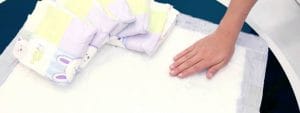
Benefits of Using Underpads for Hospitals
Investing in high-quality underpads for hospitals provides multiple benefits:
- Maintains a clean and hygienic patient environment.
- Reduces laundry and maintenance efforts.
- Protects mattresses and hospital furniture.
- Enhances patient comfort and dignity.
- Supports infection control protocols.
Best Practices for Hospital Bed Pad Usage
Hospitals should follow these best practices to maximize the effectiveness of underpads for hospitals:
- Use pads of appropriate size to cover the entire contact area.
- Change pads regularly, especially after fluid exposure.
- Ensure pads are placed smoothly under patients to avoid discomfort.
- Train staff on proper disposal methods to maintain hygiene.
- Consider eco-friendly options to reduce environmental impact.
 Voice-Activated Queries Patients and Staff May Ask
Voice Query: “How do I know which underpad absorbs the most?”
Answer: Look for underpads labeled as high-absorbency or with multiple absorbent layers. Manufacturers often provide absorption rate specifications.
Voice Query: “Can I use the same underpad for multiple patients?”
Answer: No, disposable underpads should only be used once to prevent cross-contamination and infections.
Voice Query: “Are there underpads suitable for bariatric patients?”
Answer: Yes, many manufacturers offer larger, stronger underpads designed to support higher weight capacity safely.
Voice Query: “What is the best way to dispose of hospital underpads?”
Answer: Follow hospital protocols, usually disposing of them in designated medical waste containers.
Summary Table: Key Features and Benefits
| Key Feature | Practical Benefit | Impact on Patient Care |
|---|---|---|
| Soft Non-Woven Surface | Comfortable and gentle on skin | Improves patient satisfaction and comfort |
| Advanced Absorbent Core | Rapid fluid absorption | Reduces infection risk and leakage |
| Leak-Proof Bottom Layer | Protects bedding and furniture | Minimizes cleaning time for staff |
| Variety of Sizes | Custom fit for every bed | Ensures consistent protection |
| Disposable Design | Convenient single-use | Maintains hygiene standards |
Sick Care Professionals Recommend
Healthcare professionals emphasize using underpads for hospitals for patients at risk of incontinence, post-surgery recovery, and long-term immobility. By integrating these pads into standard care practices, hospitals reduce infection rates and improve patient outcomes.
Environmental Considerations
While disposable, many modern underpads for hospitals incorporate biodegradable components and sustainable manufacturing processes. Hospitals can choose eco-conscious options without sacrificing functionality or patient comfort.
Surgical and Intensive Care Applications
In surgical and intensive care units, hospital bed pads disposable are essential. They provide a hygienic layer that protects delicate medical equipment, surgical tables, and patient beds from contamination, ensuring safety and compliance with healthcare regulations.
Why Hospitals Prefer Disposable Underpads
Hospitals choose disposable underpads over reusable options for several reasons:
- Immediate availability for use and disposal.
- Consistent hygiene with every patient turnover.
- Reduced laundry costs and staff workload.
- Compliance with infection control standards.
- Ease of storage and transportation.
Staff Training Tips
Proper usage of underpads for hospitals requires staff training:
- Educate staff on selecting the right size and type of underpad.
- Demonstrate correct placement under patients to avoid wrinkles and discomfort.
- Provide guidelines for immediate disposal after soiling.
- Encourage monitoring and replacement to maintain hygiene.
- Include environmental best practices for eco-friendly disposal.
Patient Comfort and Dignity
Maintaining patient dignity is as important as hygiene. High-quality underpads for hospitals help patients feel more comfortable, especially those dealing with incontinence or limited mobility. Soft materials, leak protection, and discreet coverage allow patients to rest without embarrassment.
Innovations in Underpad Technology
Recent innovations include:
- Super-absorbent polymers for enhanced fluid retention.
- Antimicrobial layers to prevent odor and bacterial growth.
- Eco-friendly and biodegradable materials.
- Ergonomic designs for easier placement and patient comfort.
- Varied thicknesses for different clinical needs.
Sustainable Choices in Hospital Underpads
Hospitals increasingly seek underpads for hospitals that reduce environmental impact. Biodegradable cores, recyclable packaging, and reduced chemical use allow facilities to uphold sustainability while maintaining high standards of patient care.
Conclusion
Investing in high-quality underpads for hospitals ensures comfort, hygiene, and safety for both patients and staff. From disposable underpads to hospital bed pads, these products are essential in modern healthcare, balancing practicality with patient care excellence. Hospitals that prioritize effective underpads witness improved outcomes, staff efficiency, and patient satisfaction.
Frequently Asked Questions
Q: Are all hospital underpads disposable?
A: No, while most are disposable, some reusable options exist but require careful laundering and sterilization.
Q: Can underpads be used on chairs and wheelchairs?
A: Yes, smaller-sized underpads are designed for chairs, wheelchairs, and other seating surfaces.
Q: How do hospitals ensure consistent quality?
A: Hospitals partner with trusted disposable underpads manufacturers who adhere to strict quality control standards.
Q: Are there hypoallergenic underpads available?
A: Yes, many brands offer hypoallergenic and dermatologically tested underpads for sensitive patients.