



Global Supply Chain Challenges in Diaper Production
Diaper production has become an essential sector in the baby care and hygiene industry, but it faces unique challenges due to its reliance on a global supply chain. Manufacturers are dealing with fluctuating raw material costs, transportation delays, and changing regulatory standards across countries. These challenges impact production schedules, product availability, and ultimately, the satisfaction of caregivers and families worldwide. Understanding the intricacies of these obstacles provides insight into how the diaper industry adapts and innovates to maintain reliability.
The pandemic, political tensions, and environmental regulations have further complicated supply chain dynamics. Companies must optimize procurement strategies and establish resilient logistics networks to prevent disruptions. Efficient planning, investment in advanced manufacturing machinery, and collaboration with suppliers worldwide play a crucial role in sustaining production flow.
Diaper Manufacturing Machine
Modern diaper manufacturing machines revolutionize production speed, consistency, and hygiene standards. These machines integrate multiple production steps, from raw material feeding to the final packaging stage, ensuring uniform quality across thousands of diapers per hour. High-tech sensors and automation allow manufacturers to minimize human error and maintain strict sanitary conditions, essential for infant products.
Key features of diaper manufacturing machines include:
- High-speed production lines capable of producing 200-400 diapers per minute.
- Automated quality control to detect leaks, weak absorption layers, or misaligned components.
- Flexible design modules that adjust for different diaper sizes and absorbency levels.
Investing in state-of-the-art machinery not only enhances efficiency but also reduces material waste, energy consumption, and operational costs. Companies worldwide adopt these systems to remain competitive, particularly in markets where eco-friendly and premium diapers gain traction.
What is the process of diaper production?
The diaper production process involves several intricate steps that combine technology, materials science, and precise engineering. Each step ensures the diaper meets high standards for absorption, comfort, and safety. Here’s an overview of the production workflow:
Material Preparation
Manufacturers source pulp, non-woven fabrics, superabsorbent polymers (SAP), and adhesives. Proper storage and handling of these materials are critical to avoid contamination or degradation.
Layer Assembly
The absorbent core, top sheet, and back sheet are assembled using diaper manufacturing machines. SAP distributes evenly across the core to maximize liquid absorption.
Shaping and Cutting
Machines cut diapers into their final shapes, adding elastic bands, leg cuffs, and waistbands for a snug fit.
Sealing and Fastening
Heat or adhesive systems seal the diaper, while tapes and fasteners ensure it remains secure during use.
Quality Inspection
Sensors and cameras detect defective products, ensuring only perfect diapers proceed to packaging.
Packaging
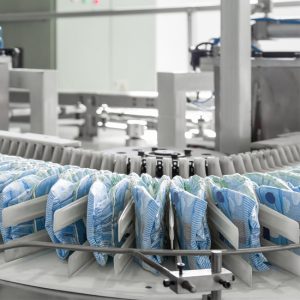
Automated lines package diapers in varying counts, labeled and prepared for distribution to retailers or direct-to-consumer channels.
Each step requires seamless coordination between machinery, materials, and labor. Disruptions in any phase, especially due to global supply chain challenges, can affect production capacity and delivery schedules.
Key Factors Affecting Diaper Supply Chains
The global diaper supply chain depends on multiple interconnected factors. Manufacturers and suppliers must address these to maintain production efficiency and product availability:
- Raw Material Availability: Fluctuations in pulp, SAP, and non-woven fabrics impact production volume and costs.
- Transportation and Logistics: Shipping delays, port congestion, and fuel price surges can disrupt supply chains significantly.
- Regulatory Compliance: Different countries impose varying safety, environmental, and quality regulations that manufacturers must navigate.
- Labor Shortages: Skilled labor scarcity in manufacturing hubs affects assembly, maintenance, and quality control operations.
- Sustainability Requirements: Growing consumer demand for eco-friendly products pushes companies to source renewable or recycled materials.
Addressing these factors requires proactive supplier management, predictive analytics, and investment in resilient infrastructure.
Innovations in Diaper Production
To overcome supply chain hurdles and meet increasing demand, diaper manufacturers innovate continuously:
- Smart Manufacturing Systems: Integrating IoT and AI in production lines helps monitor equipment performance, detect inefficiencies, and predict maintenance needs.
- Alternative Raw Materials: Companies experiment with biodegradable SAP, bamboo fibers, and organic cotton to reduce reliance on conventional pulp and non-woven fabrics.
- Localized Production: Establishing regional production hubs minimizes transportation risks and enhances responsiveness to market demand.
- Sustainable Packaging: Eco-conscious packaging solutions reduce environmental impact and improve brand perception.
These innovations also improve cost efficiency, reduce production downtime, and align with global trends in sustainability and corporate responsibility.
Global Impact of Supply Chain Disruptions
Supply chain disruptions in diaper production have significant implications for both manufacturers and consumers.
| Factor | Impact on Diaper Production |
|---|---|
| Raw Material Shortages | Reduced production capacity, increased costs |
| Transportation Delays | Late deliveries, empty shelves in retail |
| Regulatory Changes | Need for reformulation, delayed product launches |
| Labor Shortages | Production slowdowns, quality control challenges |
| Sustainability Demands | Higher sourcing costs, need for alternative materials |
Disruptions not only challenge production timelines but also influence pricing strategies and inventory management. Companies increasingly adopt diversified suppliers and flexible logistics to mitigate these risks.
Strategies for a Resilient Diaper Supply Chain
To navigate the global challenges, manufacturers implement several strategies:
- Diversification of Suppliers: Working with multiple suppliers reduces dependency on a single source.
- Inventory Optimization: Maintaining safety stocks of critical materials ensures continuous production.
- Advanced Forecasting: Predictive analytics help anticipate market demand and potential supply disruptions.
- Technology Integration: Smart machines, digital monitoring, and automated logistics streamline operations.
- Sustainability Practices: Using renewable materials and efficient energy sources mitigates regulatory and environmental risks.
Adopting these strategies ensures manufacturers can continue producing high-quality diapers without major interruptions, even during global crises.
Environmental and Regulatory Challenges
Diaper production faces growing environmental scrutiny. Disposable diapers contribute to landfill waste and have a significant carbon footprint. Governments worldwide enforce stricter environmental regulations, including limits on non-biodegradable materials, chemical usage, and packaging standards.
Manufacturers respond by:
- Introducing biodegradable diapers.
- Optimizing SAP usage to reduce environmental impact.
- Investing in water- and energy-efficient machinery.
Compliance with these regulations is crucial not only for legal operations but also for maintaining consumer trust in eco-conscious markets.
Future Outlook for Diaper Production
The global diaper industry is evolving, and companies are preparing for a more resilient future. Trends include:
- Localized Manufacturing: Establishing plants closer to key markets to minimize logistical risks.
- Circular Economy Practices: Recycling materials from used diapers into new products.
- Digital Transformation: Fully integrated supply chains with real-time tracking and predictive analytics.
- Consumer-Centric Innovation: Offering diapers tailored to regional climates, cultural preferences, and eco-conscious consumers.
Manufacturers that embrace these changes will maintain competitive advantage, satisfy consumer needs, and reduce vulnerability to global supply chain disruptions.
Frequently Asked Questions
What is a diaper manufacturing machine used for?
A diaper manufacturing machine automates production, increases speed, ensures consistent quality, and reduces material waste.
What are the steps of diaper production?
Production involves material preparation, layer assembly, shaping, sealing, quality inspection, and packaging.
How do global supply chain issues affect diaper production?
Shortages of raw materials, shipping delays, and regulatory changes can reduce production capacity and extend delivery times.
What are sustainable production practices in diaper manufacturing?
Sustainable practices include using biodegradable materials, energy-efficient machinery, and eco-friendly packaging solutions.